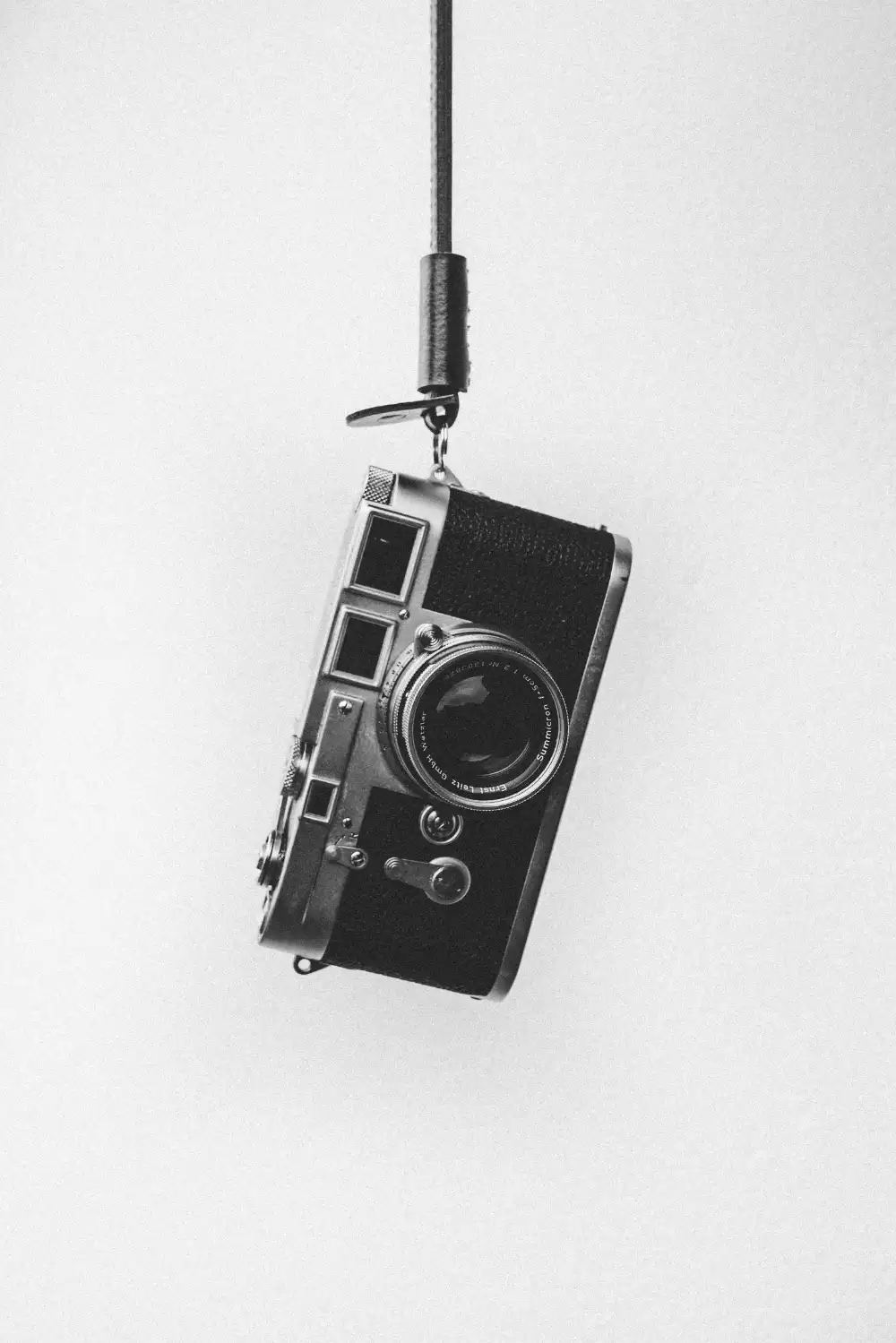

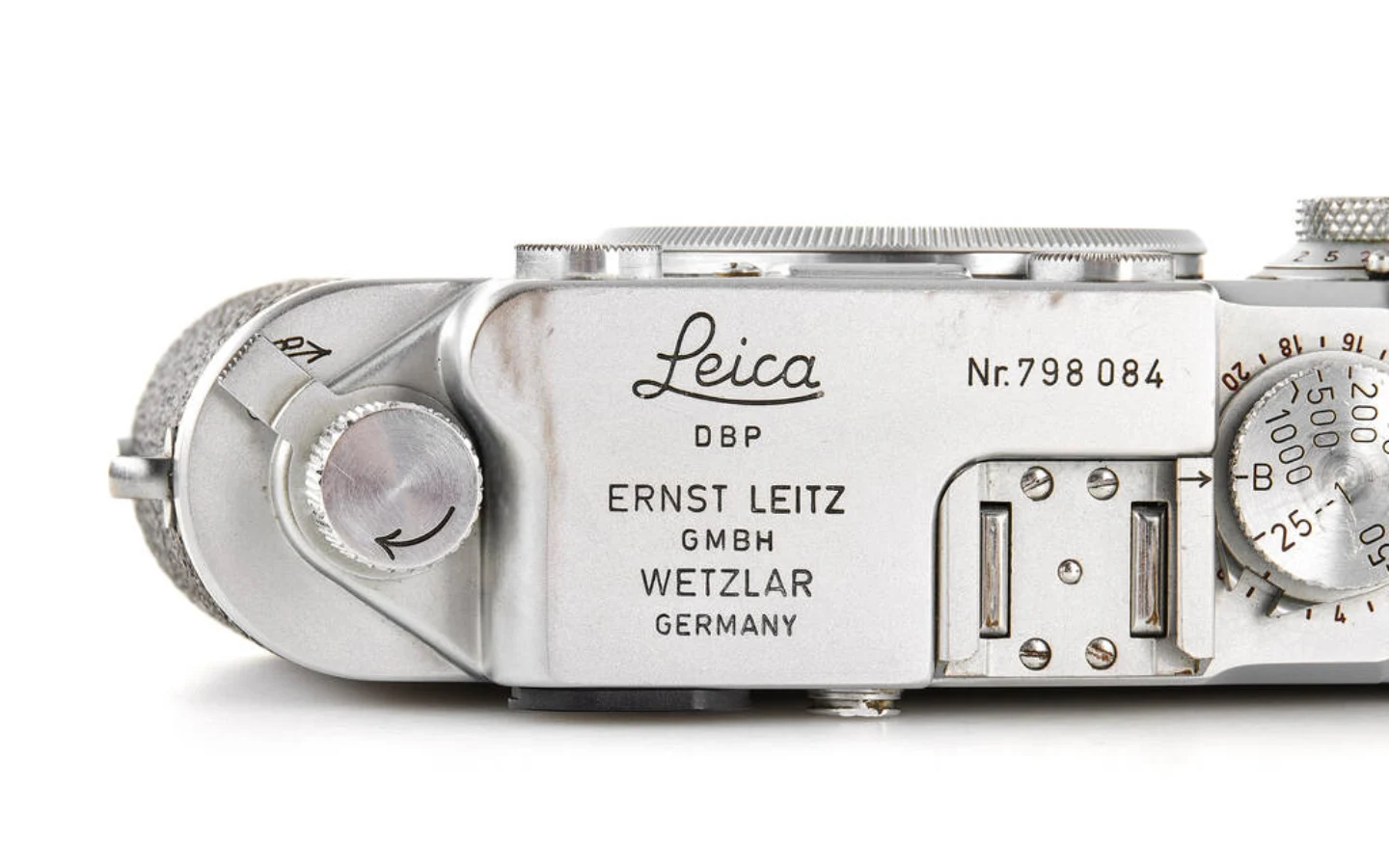

In 1938, German "employees" stepped off ocean lines in New York and made their way to the same address in Manhattan: the office of Leitz, the company that made the Leica camera.
There they received a small stipend, help finding work and a Leica camera.
These immigrants had not been transferred to Manhattan for work. They were escaping.
The camera.
The story starts in 1913, in the town of Wetzlar, Germany. Oskar Barnack, an engineer at the Leitz optical works, loved photography but struggled carrying the large, heavy wooden boxes and glass that made the cameras of the day.
So he built something smaller. Barnack took 35mm cinema film, the kind that ran through the motion picture cameras, and turned it sideways. This adjustment gave him a larger 24 by 36 millimeter frame in a body that fit in a jacket pocket. Barnack called it the Liliput.
Then the First World War came and the Liliput sat on a shelf for a decade.
The risk.
By 1924, Leitz optical works had a decision to make. Germany was recovering from hyperinflation, nobody knew if photogrophers wanted a pocket-sized camera, and many of Leitz's own managers and engineers were skeptical. Putting the Liliput in production meant real money and the company's reputation.
The owner, Ernst Leitz II, ended the debate in one sentence: "I herby decide: we will take the risk."
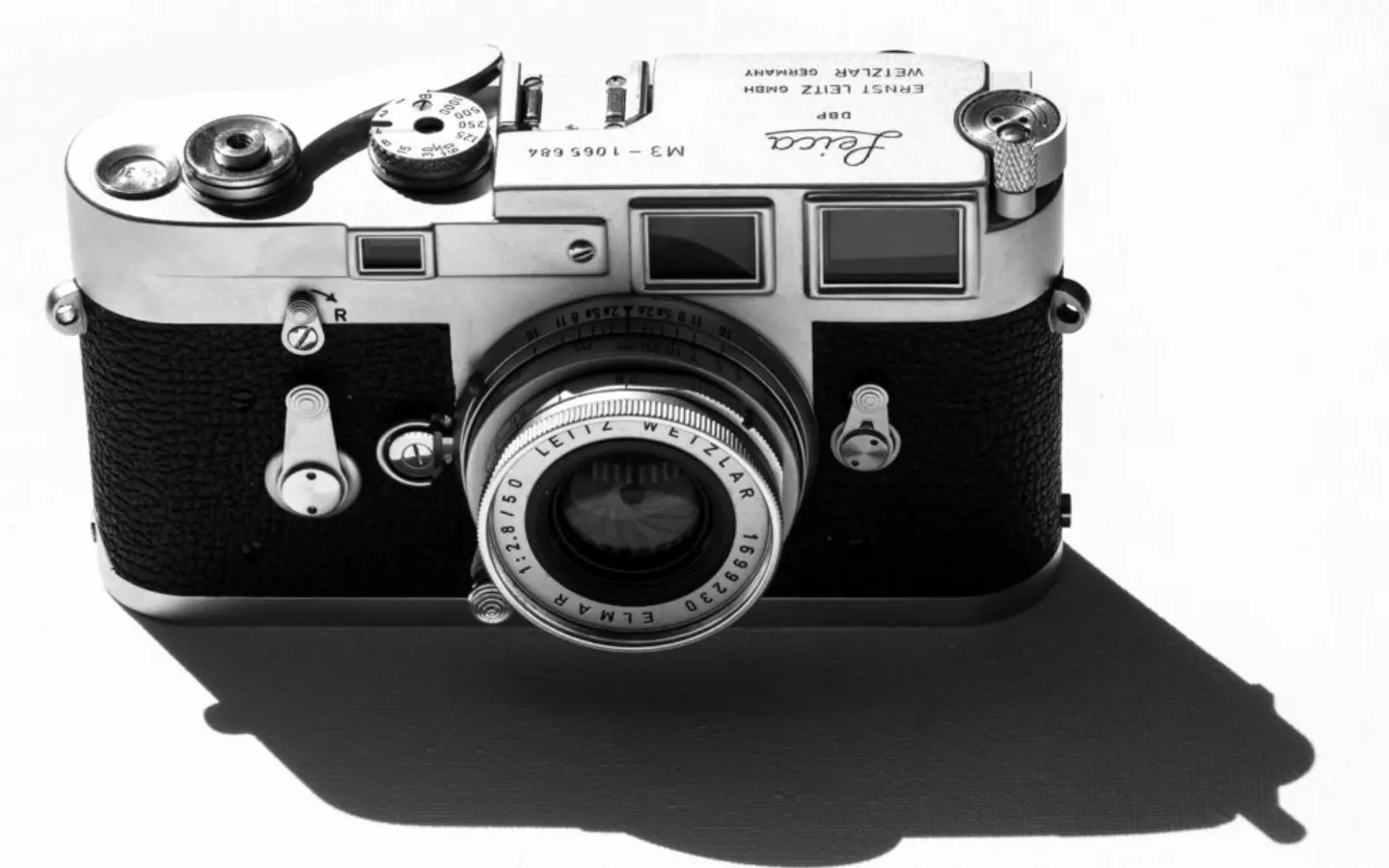
The Leica I debuted at the Leipzig Spring Fair in 1925 and within years made 35mm the world's standard photography format. Photographers like Henri Cartier-Bresson and Robert Capa used its speed and quiet to invent new ways of seeing: street photography, modern photojournalism, pictures taken from inside a moment instead of in front of it.
The decision still sits at the heart of how Leica tells its own story. In 2022, one of the original pre-production cameras sold at auction for 14.4 million euros, among the highest prices ever paid for a cameral.
The call.
Leitz was known to run is company a little different. He and his father introduced the eight-hour workday in 1906, twelve years before the law required it, along with pensions and company health insurance.
Politically, he was a committed democrat who had stood for the Reichstag and, before 1933, publically mocked the Nazis.
When Adolf Hitler became chancellor in 1933, the calls started.
Jewish workers, neighbors and friends of friends asked Leitz to help them and their families get out. Leitz, who wasn't Jewish and so wasn't bound by the new racial laws, found a way.
On paper, he transferred them. People were assigned as Leitz employees to the company's sales offices in the United States, Britain, France and Hong Kong.
In New York, the office paid a stipend until each person found a job, helped them look and gave each one a Leica camera. Out of those arrivals came designers, repair technicians, salespeople and writers for America's photography press.
The effort grew after Kristallnacht in November 1938, when synagogues and Jewish businesses burned across Germany. Groups arrived in New York every few weeks. It ended on September 1, 1939 when Germany invaded Poland and closed its borders.
What made these transfers possible, in part, was the Leica itself. The camera was a source of national prestige and the United States was the biggest market at a time when the regime needed foreign currency. For a while, the company was too valuable to touch.
The cost.
It didn't stay safe. In 1938, the sales manager for Leitz, was arrested for writing letters of recommendation for Jewish emigrants. In 1943, Leitz's daughter, Elsi was arrested for helping a Jewish woman and spent months in a Gestapo prison in Frankfurt. Her father managed to keep her out of a concentration camp.
The rest of the store is more difficult. The Leitz works built rangefinders and military optics for the German war effort. Hundreds of Ukrainian women were brough to the factory as forced laborers, and Elsie fell under suspicion for trying to improve their conditions.
In 1942, at age 71m Ernst Leitz joined the Nazi Party, according to his biographers to stop the state from seizing his company.
The silence.
What makes the Leica Freedom Train unusual isn't only what happed but that the family never talked about it. Ernst Leitz didn't tell his own grandson.
The rescue came to light decades later, largely through the research of Frank Dabba Smith, a rabbi who published a book on it in 2002.
The popular version says Leitz saved hundreds. Historians who have worked through the records have documented 86 people he helped between 1933 and 1945, most of the Jewish. Whatever the final number, each one is a person who received an escape and a Leica.